
Brief information about the country
Palm—fringed snow-white beaches and bustling cities, ancient ruins and tropical jungles, snow-capped volcanoes and cactus-dotted deserts, distinctive architecture and unique festivals, spicy authentic cuisine and unusual traditions - Mexico has been considered one of the most popular destinations for tourism for several decades. It excites the imagination and never disappoints — everyone who decides to travel to Mexico will have a real adventure!
It is difficult to overestimate the cultural and historical heritage of Mexico: within one city you will find monuments of colonial architecture and the remains of ancient civilizations that inhabited these regions in the distant past. And all this is against the background of the amazing diversity of nature, mild climate, hospitable population and not very high prices. I'll tell you what to see and try in Mexico.
What to see in Mexico
In ancient times, Mexico was the home of various civilizations: The Olmecs, Mayans, Zapotecs, Aztecs, Toltecs and others — and all of them waged internecine wars in attempts to subjugate new peoples and territories. In the XVI century, Europeans first appeared on the territory of the country — quite by accident: their ship was shipwrecked. But already in 1517, expeditions were organized to explore Mexico, the key figure of which was Hernan Cortez. Under his leadership, the largest Aztec cities were conquered, and in 1521 the capital, Tenochtitlan, fell. Cortez became governor of Mexico, and the Spanish period of its history began.
An important date for any Mexican is, of course, Independence Day, which is celebrated on a large scale throughout the country. At the beginning of the 19th century, tired of the oppression of the Spanish rulers and inspired by the example of the French and American revolutions, the Mexicans decided to throw off the shackles of the colonial yoke. The struggle for independence lasted 12 years and ended with the triumph of the rebels — Mexico was declared a republic.
Despite the efforts of medieval Europeans to eliminate the remnants of native culture, its presence is still felt everywhere in Mexico today: in national dishes, monuments, museums and, most importantly, in the people themselves. To this day, descendants of indigenous peoples who have preserved the traditions of their ancestors live in rural areas. That is why Mexico has been and will continue to be one of the most tempting destinations for tourism: where, if not here, you can spend a day admiring the ruins of ancient civilizations, and then return to the city rich in medieval Spanish architecture.
Mexico City
Colonial architecture and monuments of ancient civilizations in Mexico City, world—class museums and galleries, bustling streets of a busy city with a scattering of mismatched bars and restaurants - all this will definitely appeal to fans of megacities and attractions.
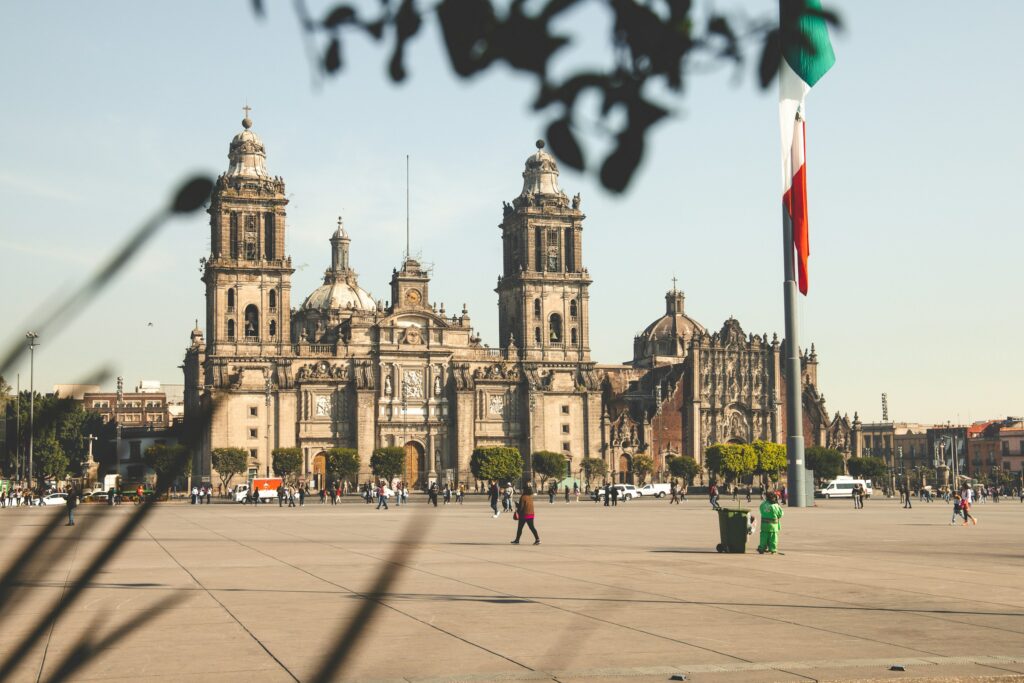
The cathedral is a powerful basilica that combines several architectural styles at once: Baroque, Renaissance architecture and Neoclassicism. The National Museum of Anthropology will attract hunters to antiquities: there is a collection of exhibits from the pre—Hispanic period, including the famous Aztec calendar "Stone of the Sun", Mayan treasures and other archaeological finds that refer visitors to the pre-Columbian page in the history of Latin America.
For fans of modern architecture, the museum is a must-visit "Soumaya" by the Mexican architect Fernando Romero, who once worked for the world-famous Remus Koolhaas. The futuristic building is literally dazzling: it is lined with aluminum plates shining in the sun. Inside, you can find works by both Mexican and European artists, including French Impressionists.
One of the most important monuments of indigenous culture in the world, Teotihuacan, is located 50 kilometers from Mexico City. This ancient city with perfectly preserved pyramids was once one of the most influential in the area, and its original name and true history still remain a mystery. Teotihuacan was already christened by the Aztecs — at the time of their arrival, only ruins remained of the settlement. Wandering through the ruins of the city, reminiscent of its former greatness, trying to understand the principle of residential development and speculating on frescoes is a great way to spend the day if you are staying in Mexico City. The best time to visit is at sunset: it seems as if you have entered another world, especially if you observe it from the top of the pyramid of the Sun.
Cancun
Snow—white sand, crystal clear water and seemingly endless beaches... Cancun is about a high-class and lazy vacation. This is explicitly stated by the majority of luxury hotels along the coastline offering an all-inclusive package. However, you can also find interesting places in Cancun from the point of view of cultural content. The ruins of El Rey, an open-air museum and all that remains of the Mayan settlement that once flourished here, are located right within the city limits. But to Isla Mujeres, or the islands Women will have to get there by ferry or boat. In the most picturesque corner of the island — on the cape of Punta Sur - you will find the ruins of an ancient Mayan temple dedicated to the goddess of fertility Ish—Chel, revered by them. In addition, Isla Mujeres is famous for its beautiful beaches and the turtle sanctuary of Tortugranha.
Chichen Itza
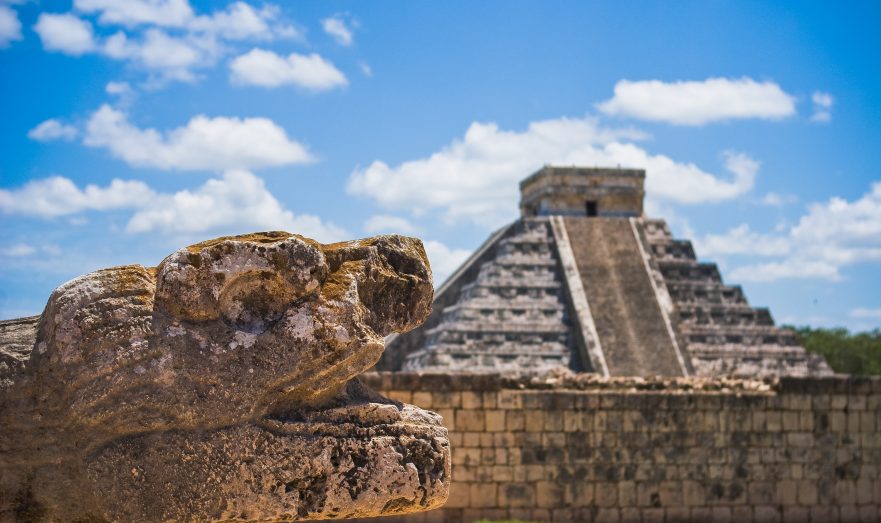
A three—hour drive from Cancun is the main attraction of Mexico - the archaeological complex of Chichen Itza, a real window into the majestic Mayan civilization. In the distant past, the sacred city of the Maya and later the Toltecs, and now the center of attraction for tourists from all over the world, Chichen Itza occupies a fairly extensive territory. For about 15 sq . m . There are more than 30 structures that have survived to this day. The business card of Chichen Itza is the massive pyramid of Kukulkan, 24 meters high, decorated with intricate statues and carvings. The pyramid was built as a tribute to Kukulkan, the feathered serpent god, and was used as a calendar.
Tulum
Are you annoyed by new buildings and the bustle of large resorts, but at the same time you do not want to part with comfort? Then you should go to Tulum. This coastal town, founded by the Maya, has been gaining momentum in the tourism sector over the past ten years, and this is no coincidence. All the benefits of civilization in close proximity to ancient ruins and coconut palms framing some of the best Mexican beaches — sounds tempting, right?
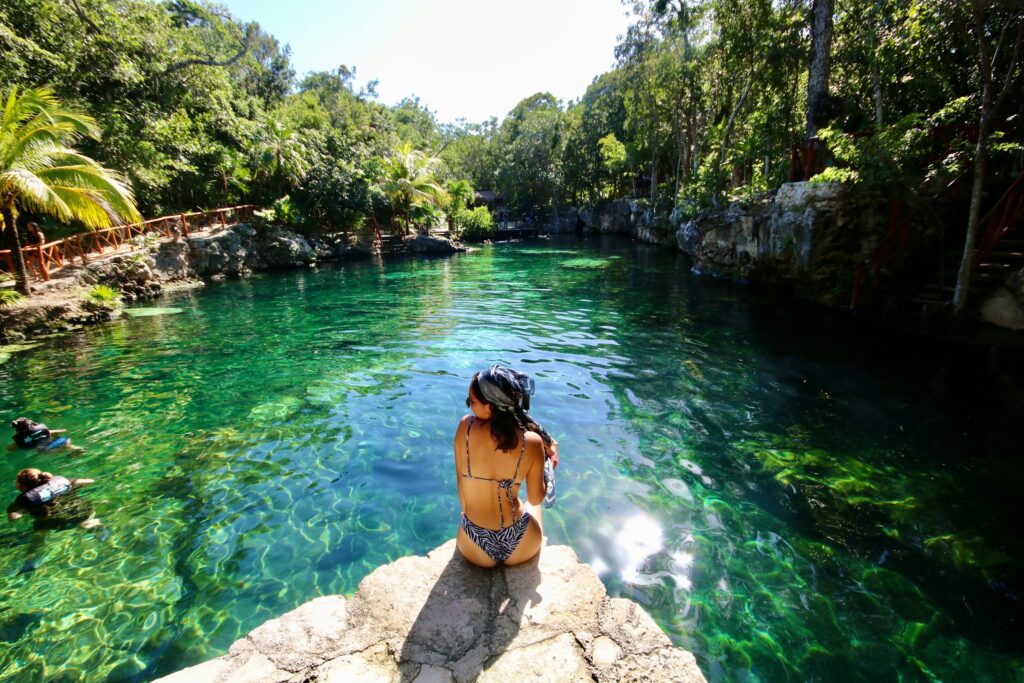
Tulum is a popular destination for ecotourism: you will find restaurants that offer dishes made from products grown here, and entire eco-resorts. A few minutes drive from Tulum, another treasure of this region is hidden — underground lakes, or cenotes. These wells, which were formed due to the collapse of the cave vaults, were used by the Maya for sacrifices.
Ixcaret Park
Located on the Caribbean coast, among jungles, underground rivers and cenotes on the territory of the Riviera Maya, Ixcaret boasts not only fantastic landscapes, but also a variety of entertainment. There's a whole sea of them here. History and archaeology lovers, as well as connoisseurs of flora and fauna, scuba diving, beach holidays and authentic food will find something to do here.
The ruins of the ancient Mayan port city, a trip along the Paradise River, attractions, nature reserves where jaguars calmly walk, a pavilion with butterflies, an aquarium with a coral reef, gardens with rare flowers and plants, flamingos, manatees and turtles at arm's length are just part of what awaits visitors to this extraordinarily colorful place.
The California Peninsula
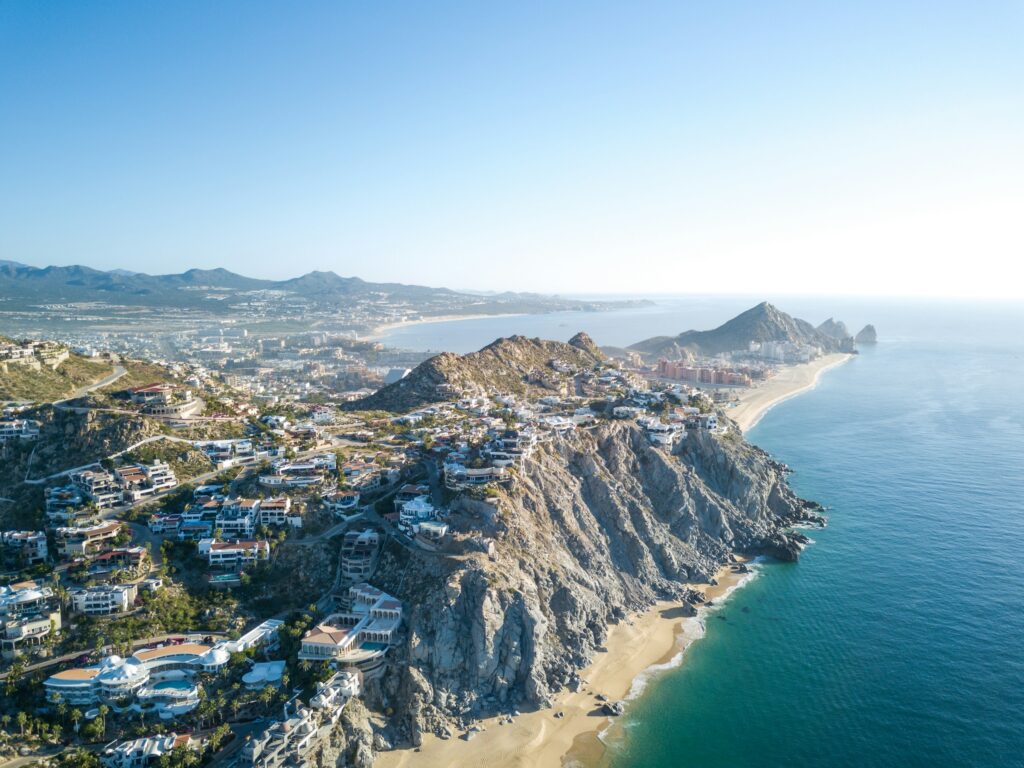
For some reason, the Baja California Peninsula on the west coast of Mexico often escapes the attention of travelers, and for good reason. Here you can watch whales, walk along the beach with access to the Pacific Ocean and the Sea of Cortez at the same time, catch breathtaking waves or just enjoy a beach holiday away from the noise and fuss of the popular resorts. Baja California is an ideal option for those who love wildlife, surfing and peace.
Every winter, gray whales migrate from Alaska to the warm waters of this part of Mexico to produce offspring. On a boat trip along the coast of the California Peninsula, there is a unique opportunity to witness this phenomenon. A trip to the Sierra de San Francisco mountains will allow you to look at the unique rock paintings on the walls and ceilings of stone caves, which are more than 3,000 years old. It was once believed that they were left behind by a race of giants: The images were too big.
Oaxaca
Located in the south of Mexico, the city of Oaxaca will delight those who are interested in urban culture, historical monuments and, most importantly, gastronomic experiments. Known as the culinary capital of Mexico, Oaxaca offers a complete immersion in the culinary heritage of the country, dating back to the pre-Columbian period of its existence. The markets of the city amaze all the senses — it is a real celebration of color, textures, tastes and smells. Here you can find original souvenirs and products to surprise your loved ones upon returning home.
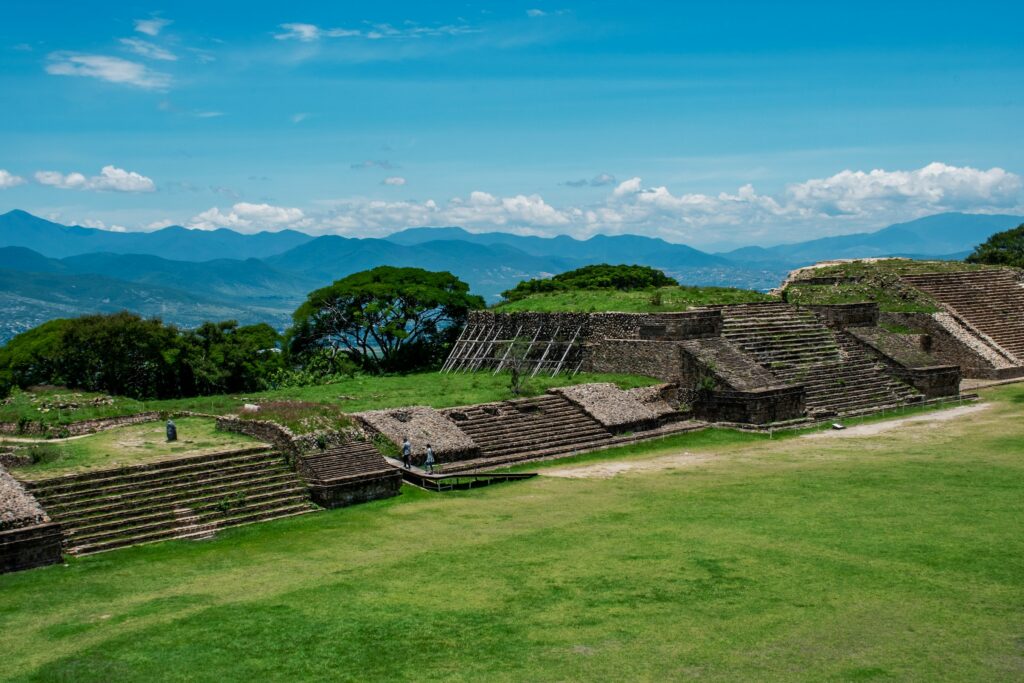
The state of the same name, of which Oaxaca is the capital, was once the home of the Zapotecs, another ancient civilization that lived in Mexico. To see what is left of it, and maybe even imagine the Zapotec way of life, you can go to Monte Alban - it's only 9 kilometers from the city.

 English
  Russian